
The measure, which was introduced in September 2022, aims to strengthen authorities' ability to target illicit cryptocurrency usage and, in particular, to combat crypto-related financial crimes.
The House of Lords agreed on certain revisions throughout the review to clarify its objective of targeting monetary proceeds from fraud or other financial crimes. Furthermore, the law intends to establish provisions for corporate transparency and abroad business registrations.
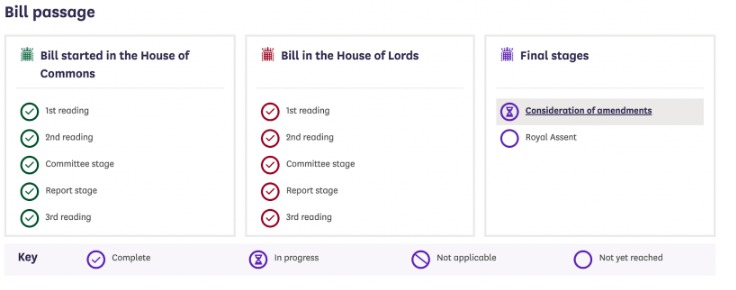
At the end, the House of Commons will either adopt the suggested amendments or make revisions to the measure. Following approval, the bill will be signed into law through royal assent, which is how a monarch formally accepts a legislative act.
The bill includes provisions for seizing and freezing cryptocurrencies linked to crime.
The UK's financial regulator, the Financial Conduct Authority (FCA), has stated its willingness to collaborate with cryptocurrency companies to build a regulatory framework for the industry.
This includes ensuring that crypto companies operating in the UK comply with Anti-Money Laundering and Counter-Terrorist Financing laws.