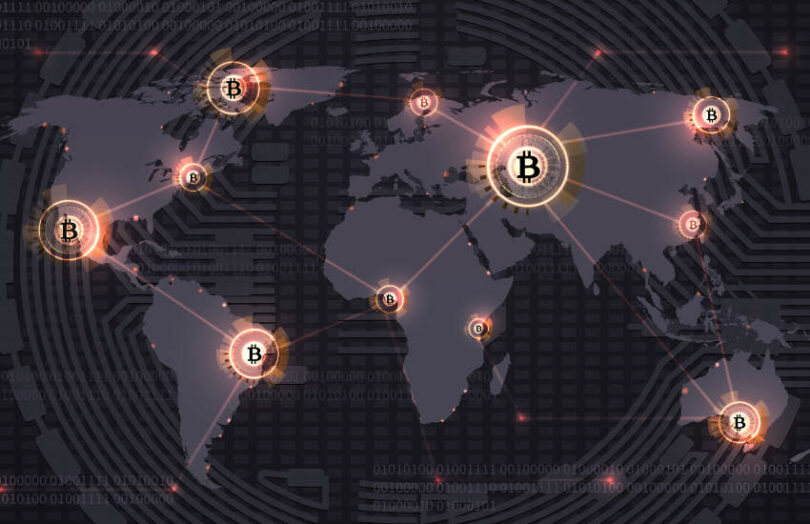
The Bank for International Settlements (BIS) previously mentioned plans to track crypto-asset and DeFi data but has now unveiled more details about Project Atlas. The BIS Innovation Hub Eurosystem Centre is collaborating with the Deutsche Bundesbank and De Nederlandsche Bank to create an open source data platform that will initially explore geographic crypto flows.
The main output will be dashboards of data that other central bankers can use for economic analysis, but it plans to provide insights on market capitalization and economic activity as well.
While the work might highlight where the fund flows are largest or most concentrated, it additionally will provide a starting point for potential further work.
We’d speculate that the sorts of things that would be of interest might be if crypto is being used as a low cost substitute where cross border remittances are very expensive. It would be interesting to see the difference in flow patterns between less versus more regulated jurisdictions. And the degree of use for getting around foreign currency controls or sanctions busting.
Rather than the typical price data that’s available to traders, central banks are interested in the macro-financial implications and potential impact on financial stability.
The BIS points to a lack of vetted data and data tailored to the needs of the central bank community. It plans to use on-chain data from public blockchains as well as off-chain data, such as public data available from exchanges.
Project Mariana is another BIS Innovation Hub project focusing on DeFi exploring how automated market markets (AMM) can be used for foreign exchange as part of cross border payment trials.